
Start with the roof.
Slope, deck, structural loading, valleys, parapets, and mixed roof sections narrow the realistic choices.
Roof shape and construction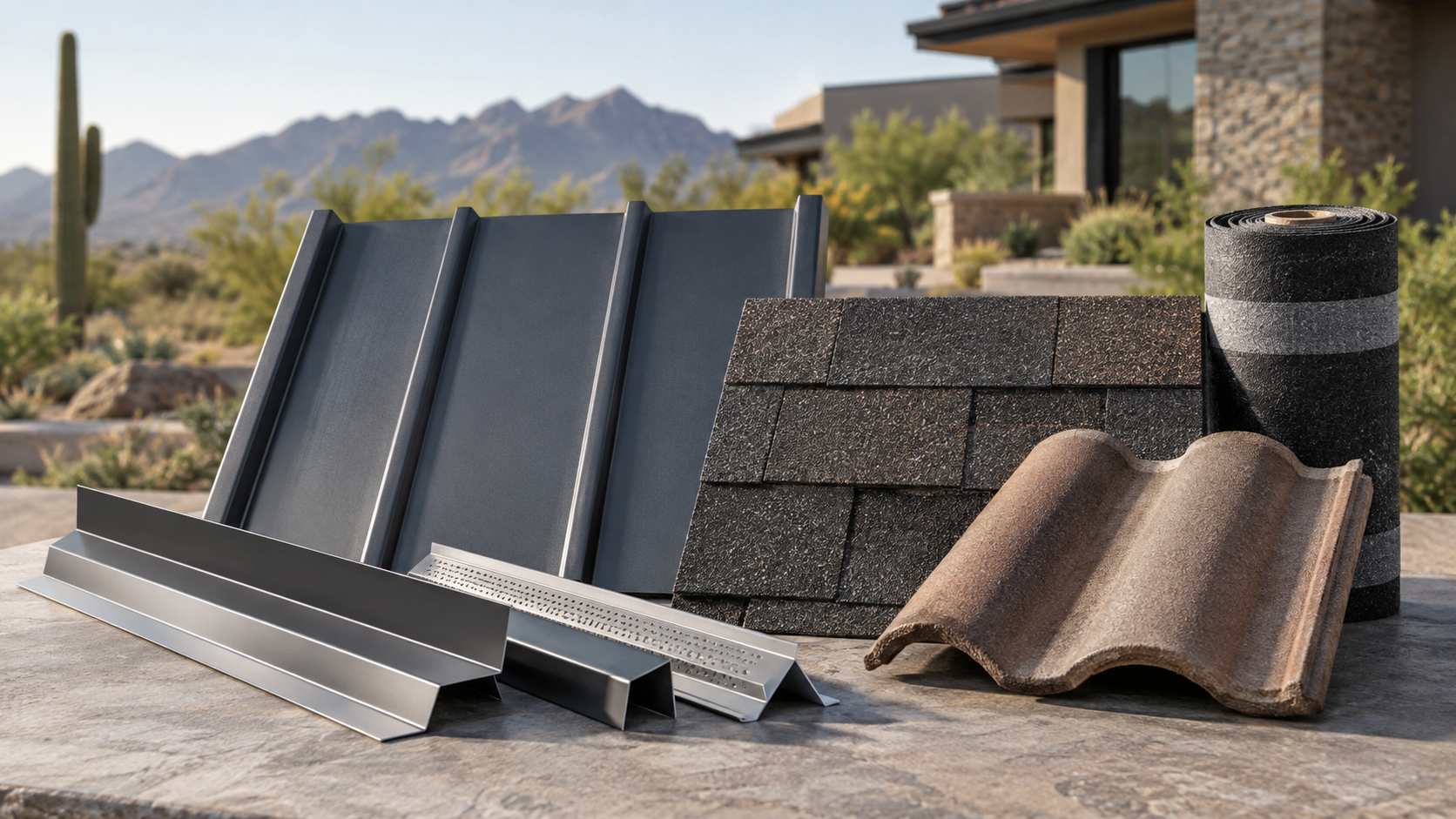
Arizona roofing materials · Whole system thinking
Compare tile, asphalt shingle, and low-slope roofing by how each system fits the home, manages water, and holds up to Arizona conditions.
Tile · Shingle · Flat and low-slope systems · AZ ROC #347413
(Choosing with context)
The right system follows the roof shape, the existing construction, the way water leaves the building, and what you want to maintain after installation.
Slope, deck, structural loading, valleys, parapets, and mixed roof sections narrow the realistic choices.
Roof shape and constructionUnderlayment, membrane, flashing, drainage, and repair access matter as much as the visible finish.
Protection and maintenanceAppearance, project budget, repair access, expected upkeep, and long-term ownership complete the decision.
Homeowner priorities(Primary roofing systems)
These are broad categories, not product recommendations. The inspection determines which products, profiles, membranes, and installation details belong in the final scope.
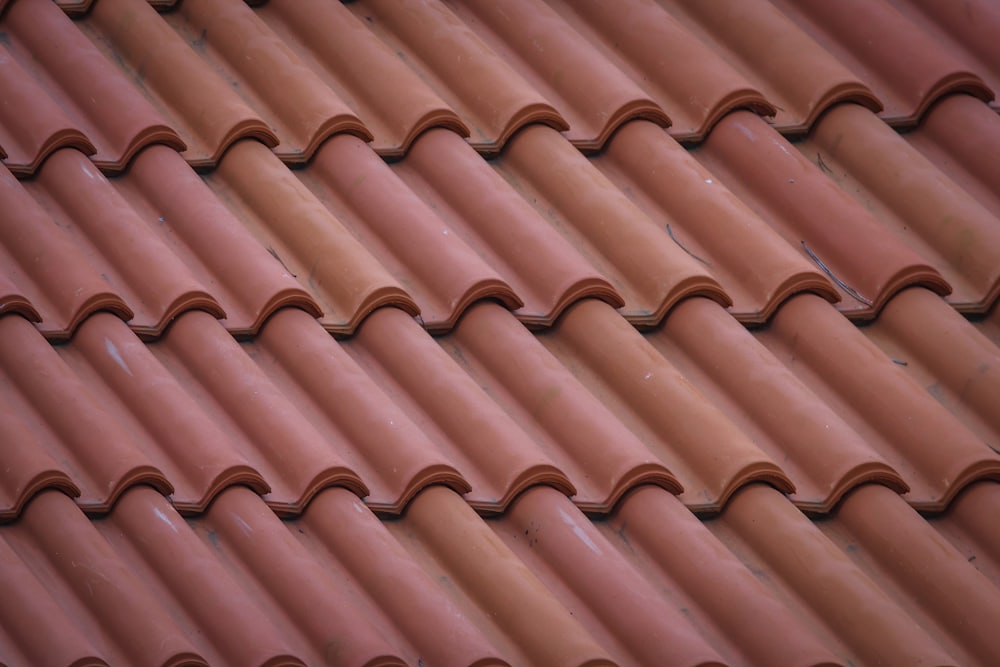
Architectural character
Concrete or clay tile creates the finished profile and sheds most rain. The underlayment beneath it provides a critical secondary water-shedding layer.
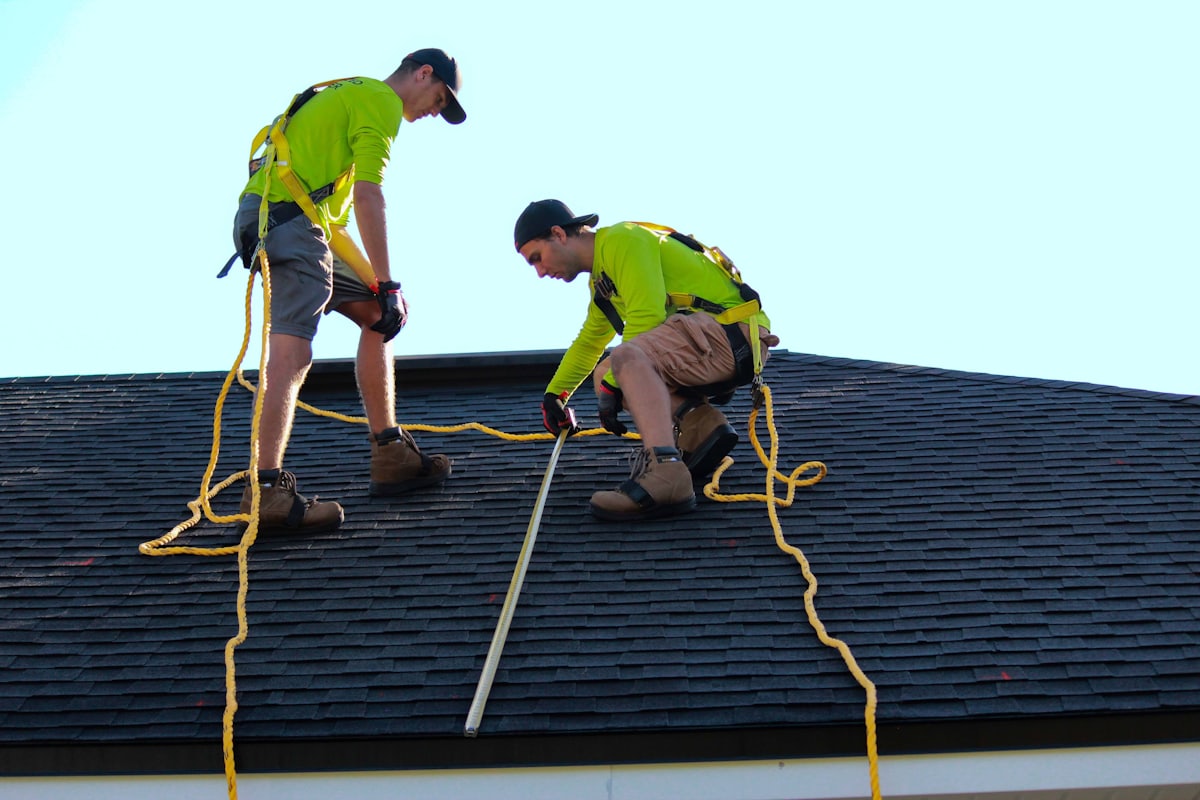
Efficient and versatile
Architectural shingles provide a familiar layered finish and broad color selection for many pitched residential roofs.
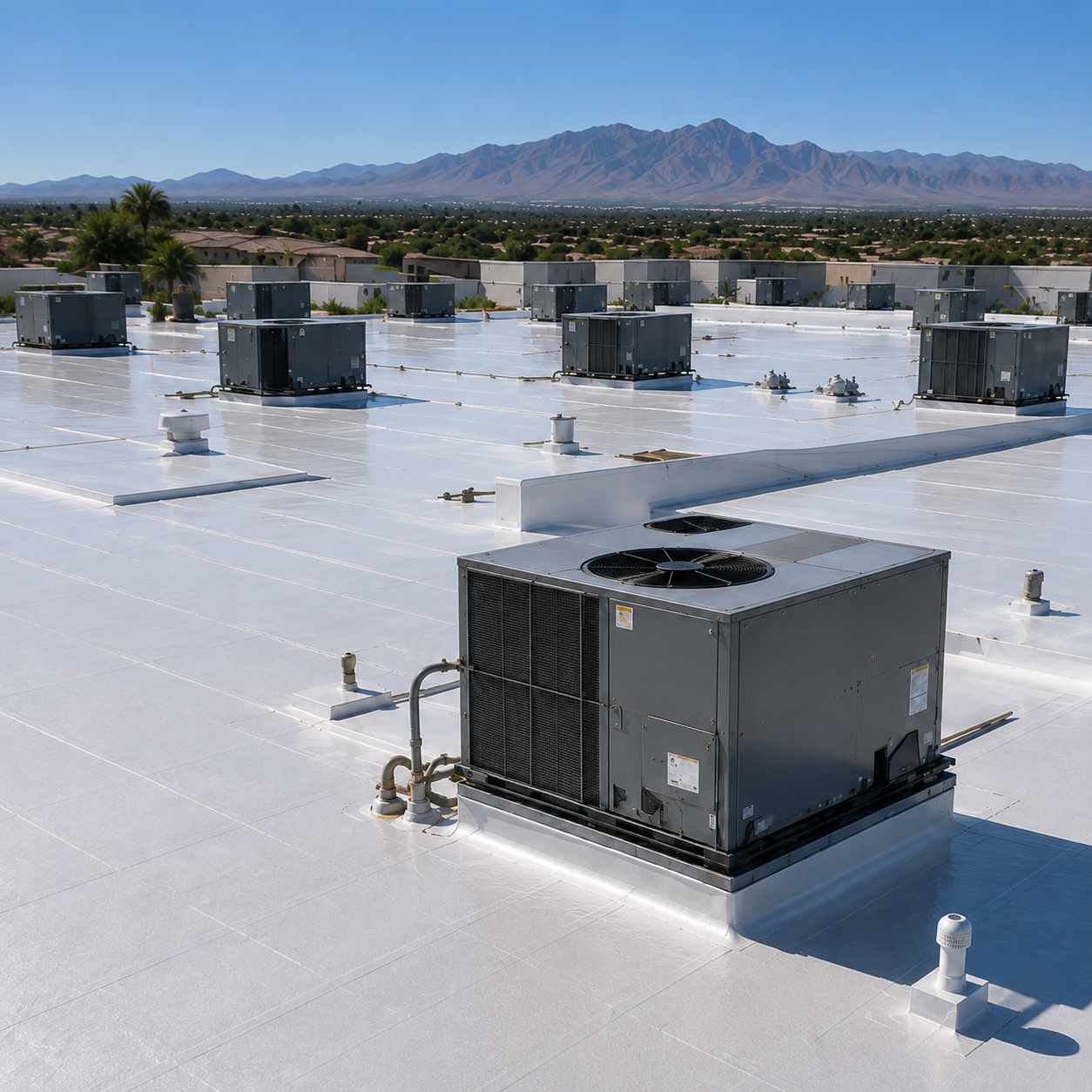
Continuous protection
Low-slope roofs may use membrane or spray polyurethane foam assemblies. Coatings can protect or restore compatible existing systems, but they are not automatically a replacement.
(Beyond the visible material)
The finish is only the surface you see. Preparation, water protection, flashing, ventilation, drainage, and transitions must connect beneath it.
A material upgrade cannot correct an incomplete system. The written scope should describe the hidden layers and critical details, not only a brand and color.
(Compare at a glance)
Use this as a starting point. The existing roof and full project scope still determine what is appropriate for the property.
| Decision factor | 01Tile | 02Shingle | 03Flat / low-slope |
|---|---|---|---|
| Common roof fit | Pitched roofs designed for the material weight and profile. | Many pitched residential roof designs. | Parapet, low-slope, flat, and mixed roof sections. |
| Water strategy | Tile covering over a code-compliant underlayment system. | Integrated underlayment, edges, valleys, shingles, and ridge. | Continuous assembly shaped around drainage. |
| Maintenance focus | Broken tile, penetrations, flashing, and underlayment age. | Wear, edges, valleys, flashing, and ventilation. | Ponding, cracks, penetrations, parapets, and scuppers. |
| Project planning | Reuse, weight, matching profiles, and hidden layers. | Profile, color, ventilation, accessories, and deck preparation. | Compatibility, preparation, drainage correction, and transitions. |
(Arizona performance factors)
Phoenix roofs face intense sun, fast temperature changes, seasonal wind, concentrated rain, debris, and long dry periods. Product choice and detailing must account for the actual property.
01 / Exposure
Color, solar reflectance, ventilation, the roof assembly, and installation details all influence heat gain and long-term performance.
02 / Edges
Fasteners, roof edges, loose materials, nearby trees, and mounted equipment shape storm vulnerability.
03 / Water
Valleys, walls, penetrations, parapets, scuppers, and drainage paths must move concentrated water safely.
04 / Flow
Low areas, blocked outlets, poor slope, and mixed transitions can matter more than the product name.
(How materials are selected)
Material decisions become simpler once the condition, construction, and project priorities are clear.
Identify roof types, slopes, existing materials, drainage, transitions, and visible conditions.
Current condition
Determine whether the need is repair, underlayment work, replacement, or multiple systems.
Real project need
Review fit, appearance, preparation, accessories, maintenance, and project budget.
Practical shortlist
Select the product, profile, color, flashing, ventilation, drainage, and components.
Written system
A sample shows color and texture. A roof evaluation shows whether the system belongs on your property.
(Roofing material questions)
The right answer depends on the property. These answers explain the decision factors without making one material the automatic choice.
There is no universal best material. Roof slope, existing construction, architecture, drainage, project scope, maintenance expectations, and budget determine whether tile, shingle, or a flat-roof system is the better fit.
Tile is the roof covering and sheds most rain. The underlayment beneath it is a critical secondary water-shedding layer, while flashing and transitions connect the assembly at vulnerable details.
Some tile may be reusable depending on its condition, profile, availability, breakage, and the project scope. The roof must be evaluated before a reuse plan can be confirmed.
Architectural shingles are used on many Arizona homes. Product selection, color, ventilation, deck preparation, underlayment, and installation quality all matter in a high-heat environment.
No. Coatings, membranes, foam systems, repairs, and full replacement scopes are different. The existing surface, moisture condition, drainage, and compatibility determine what work is appropriate.
Appearance matters, but it should come after the system is confirmed to fit the roof. Structure, slope, drainage, water protection, transitions, and maintenance should guide the shortlist first.
(Start with the roof)
Request service and we will help identify the roof system and material options worth comparing for your property.